10-Bit 4:2:2 Codec & Color Gamut Accuracy
Avoid 8-bit sky banding by pairing your camera's 10-bit recording format with the exact color gamut expected by your post-production CST pipeline.
Capture clean, gradable 10-bit Log footage on Canon, Sony, Fujifilm, or Apple ProRes cameras by mastering dual native ISO, display assist LUTs, skin-tone zebras, and ND discipline.
Turning on S-Log3, C-Log2, C-Log3, or F-Log without understanding how logarithmic curves allocate data stops often produces noisy, blotchy shadows and plastic skin tones worse than standard Rec.709 profiles. Proper Log cinematography depends on four linked habits: recording in true 10-bit 4:2:2 color depth, staying on your sensor's native base ISO steps, judging contrast through a Rec.709 monitoring LUT while reading objective Zebra/Waveform levels, and controlling bright light with clean Variable ND filtration.
Start with a free online intro consultation for this course: we review the syllabus together, clarify how many sessions you need based on your goals and pace, and decide whether continuing Online ($69 CAD/hr) or In-Person ($99 CAD/hr) suits you best.
Prefer just the written framework instead of live sessions? A standalone $39 CAD PDF guide option can also be requested for this course: select the PDF option below.
Looking for a turnkey production crew in Toronto instead of 1-on-1 training? See our Toronto Video Production Packages, Special Studio Bundles, and recent Reels on @tehranto.plus on Instagram.
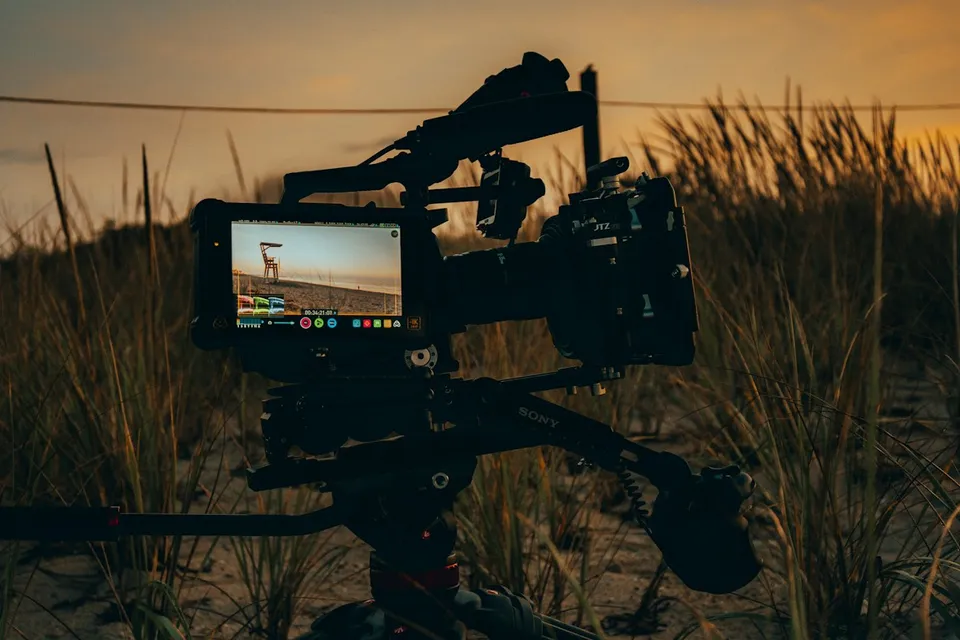
Every learner starts from a different background. These are the core capabilities this course develops, paced to your goals across the sessions we plan together.
Avoid 8-bit sky banding by pairing your camera's 10-bit recording format with the exact color gamut expected by your post-production CST pipeline.
Know your sensor's exact low and high base ISO circuits and expose Log curves properly so shadows grade down black and noise-free.
View natural contrast on your LCD or field monitor via View Assist while locking skin luminance consistently across every shot with custom Zebras.
Hold wide apertures and 180-degree shutter blur outdoors using step-up rings and hard-stop Variable NDs without X-pattern cross polarization.
Below are the main concepts and topics covered in this course. In your Free Online Intro Session, we align the exact depth and number of sessions to your experience and goals.
Configuring your exact camera body so recorded files preserve maximum dynamic range without hidden compression traps.
Measuring your sensor's real noise floor across ISO steps and dialing custom Zebra percentages for reliable skin exposure.
Holding consistent exposure, white balance, and motion cadence when moving from dim interiors to bright Canadian daylight.
Bringing your camera tests directly into DaVinci Resolve or Premiere Pro so you see how clean exposure translates into effortless grading.
Core practical benchmarks and standards covered as part of this course's curriculum.
| Camera Profile | Color Gamut Pairing | Exposure Discipline | Post-Production Mapping |
|---|---|---|---|
| Canon C-Log2 (10-bit) | Cinema Gamut | Stay on native base ISO · protect upper stops | Maximum dynamic range via CST to Rec.709 |
| Canon C-Log3 (10-bit) | Cinema Gamut | Clean shadow floor for faster commercial turnarounds | Direct CST with minimal shadow cleanup needed |
| Sony S-Log3.Cine | S-Gamut3.Cine | Expose generously (+1.0 to +1.7 EV) on base ISO | Pull exposure down cleanly in CST node for zero noise |
| 8-Bit Camera Bodies | Standard / Cinetone / Neutral | Avoid flat Log; expose accurately in-camera | Gentle contrast and WB trim without sky banding |
Choose a time for your Free Online Intro Session to map out your course path, or book an Online ($69/hr) or In-Person ($99/hr) session directly, or request the $39 CAD PDF guide option.
Share your exact camera model during your Free Online Intro Session. If your body supports 10-bit Log, we build your complete Log + CST pipeline; if your camera records 8-bit, we configure a clean, gradable standard/neutral profile that gives you the best image your sensor can deliver without banding.
Every course begins with a Free Online Introductory Session where we review the core syllabus together, evaluate your current background and goals, and map out how many sessions you actually need and whether continuing Online ($69 CAD/hr) or In-Person ($99 CAD/hr) suits you best. Session count is never a rigid one-size-fits-all number; it adapts to your own level and pace.
There is zero upfront package commitment: live sessions are booked flexibly session-by-session ($69 CAD/hr online or $99 CAD/hr in-person). If you prefer a self-paced written guide instead of live coaching, a standalone $39 CAD PDF option can also be requested for this topic.
Your choice: every session with Iman Adlkhah can be conducted 100% in English, 100% in Persian (Farsi), or naturally bilingual with industry terminology.
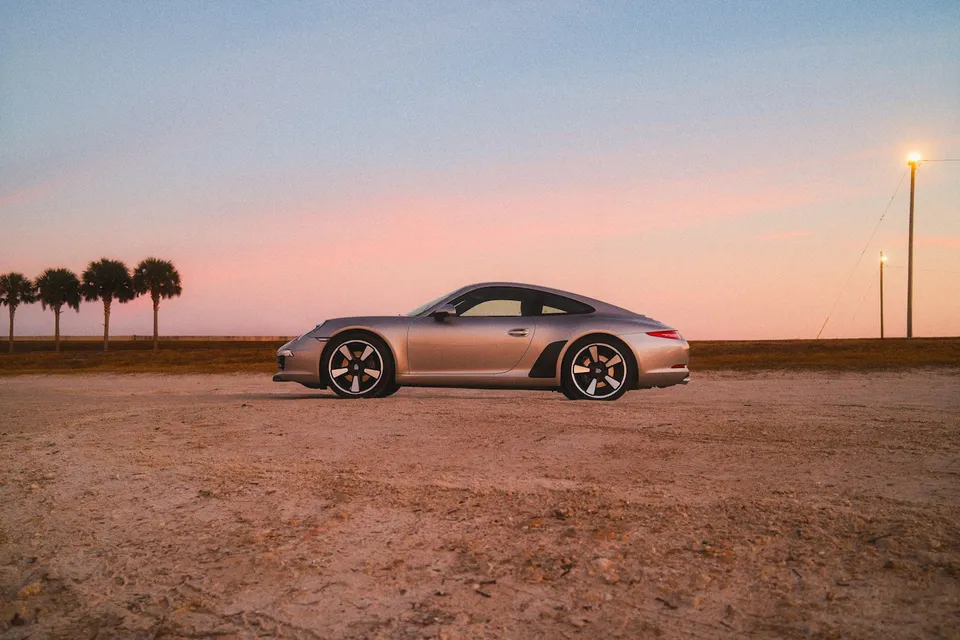
Cut messy sky glare off windshields with circular polarizers, shape clean twilight paint reflections, light dark interiors, and record wind-free exhaust sound.
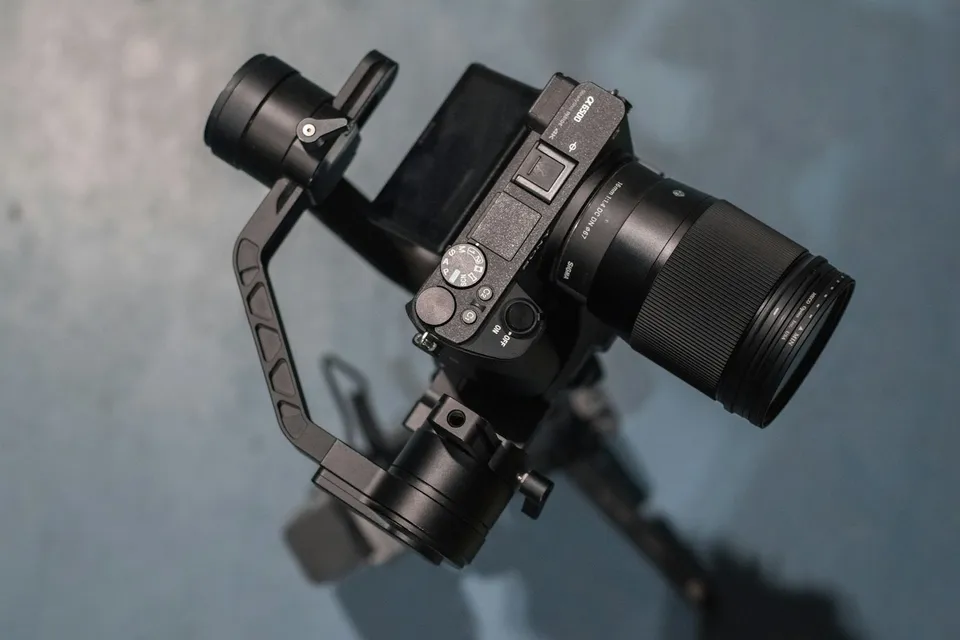
Build hands-on command of cinema camera exposure, balanced three-axis gimbal movement, commercial interview lighting, and purposeful B-roll coverage.
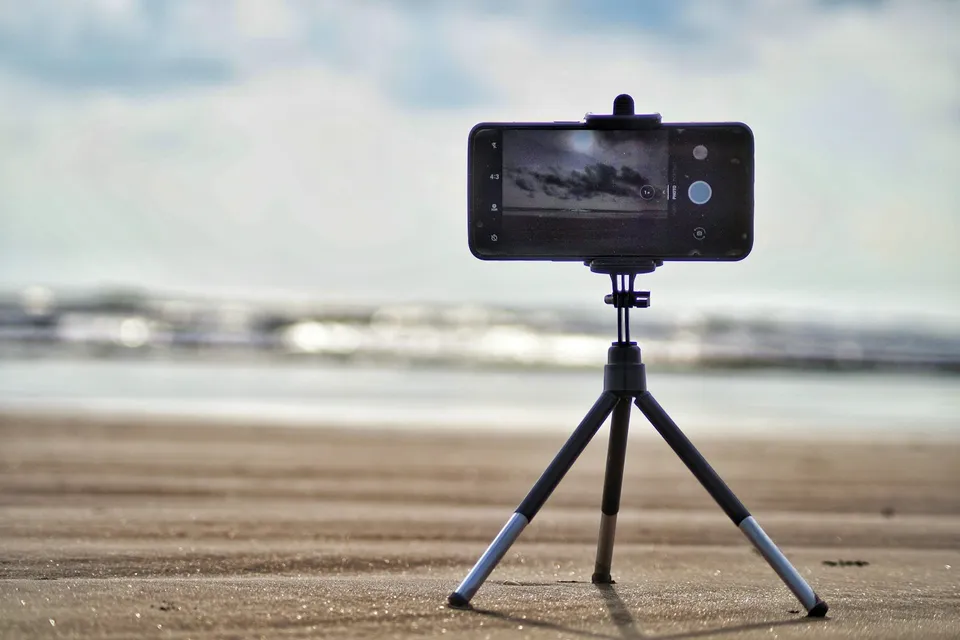
Turn the phone in your pocket into a reliable business video camera through proper sensor settings, flattering lighting, clean wireless sound, and clear short-form storytelling.