Linear Focus Throw vs Focus-by-Wire Pitfalls
Understand mechanical 270–300° cinema focus throws and reconfigure nonlinear mirrorless photo lenses to true linear rotation so physical marks stay accurate.
Master repeatable manual focus pulling on cinema primes and linear-configured mirrorless lenses through spatial distance estimation, witness marks, velocity matching, and story-motivated focus control.
Modern eye-tracking autofocus is fast, yet it still cannot read dramatic subtext: it hunts across foreground glass, snaps mechanically to the wrong face during an emotional pause, and leaves operators helpless on manual cinema primes, macro product work, or character vintage lenses. Meanwhile, pulling manual focus on uncalibrated focus-by-wire photo lenses feels erratic because focus travel changes with how fast you turn the ring. In this course, we train tactile focus craft: configuring linear focus throws, marking witness points, judging subject-to-sensor distance by eye, matching ring rotation to actor speed, and choosing deliberately between a rack focus and holding the frame.
Start with a free online intro consultation for this course: we review the syllabus together, clarify how many sessions you need based on your goals and pace, and decide whether continuing Online ($69 CAD/hr) or In-Person ($99 CAD/hr) suits you best.
Looking for a turnkey production crew in Toronto instead of 1-on-1 training? See our Toronto Video Production Packages, Special Studio Bundles, and recent Reels on @tehranto.plus on Instagram.
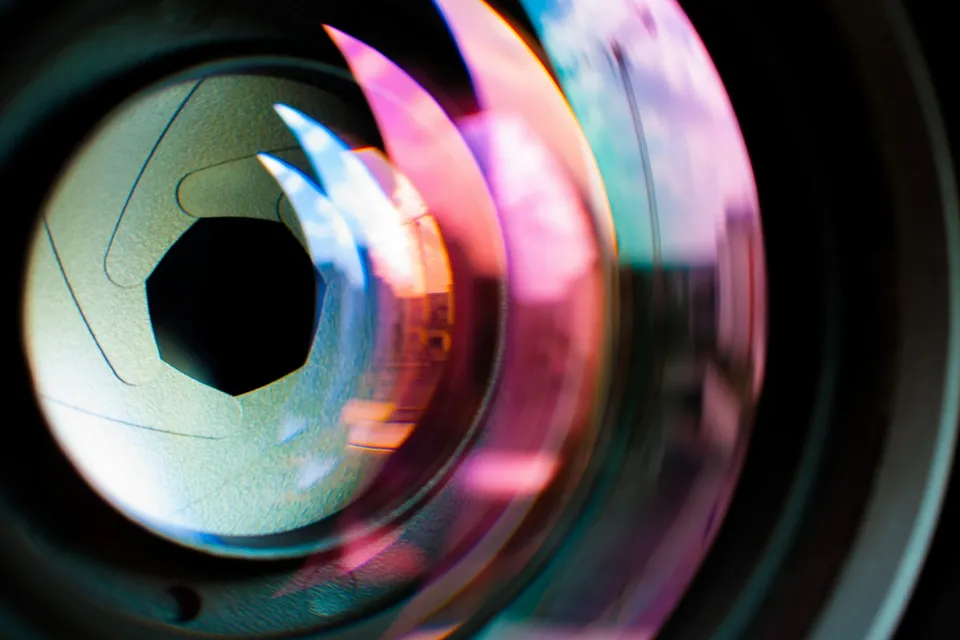
Every learner starts from a different background. These are the core capabilities this course develops, paced to your goals across the sessions we plan together.
Understand mechanical 270–300° cinema focus throws and reconfigure nonlinear mirrorless photo lenses to true linear rotation so physical marks stay accurate.
Measure from the camera's focal-plane symbol, mark clean witness lines on a follow-focus disc, and calibrate subtle peaking that never lies at wide apertures.
Recognize how optical focus scale compresses near minimum focus distance and accelerate or feather hand rotation smoothly as actors walk or lean.
Pull focus only when story, eyeline, or sound motivates an attention shift, and know when letting a subject drift into or out of focus carries stronger emotion.
Below are the main concepts and topics covered in this course. In your Free Online Intro Session, we align the exact depth and number of sessions to your experience and goals.
Examining optical and mechanical differences between true cinema primes and mirrorless stills glass, and setting up cameras for predictable manual control.
Building reliable 1st AC habits for measuring space, marking focus rings, and configuring viewfinders and monitors so critical sharpness is unmistakable.
Developing muscle memory for dynamic shots where subject distance changes continuously across nonlinear optical distance scales.
Treating focus as storytelling grammar instead of a mechanical reflex, synchronizing transitions with human performance and visual rhythm.
Core practical benchmarks and standards covered as part of this course's curriculum.
| Shooting Scenario | Common Focus Error | 1st AC / Operator Method | Visual Outcome |
|---|---|---|---|
| Mirrorless Photo Primes | Leaving focus ring on default speed-sensitive curve | Switching camera menu to fixed linear rotation throw | Repeatable marks that hit the same plane every take |
| Dialogue Over-the-Shoulder | Abrupt, mechanical focus snaps or overshooting the eye | Marked A/B witness lines with feathered start and stop | Invisible, emotionally timed shift of viewer attention |
| Subject Walking to Lens | Turning the focus wheel at one constant speed and falling behind | Floor distance references + progressive rotation acceleration | Crisp eyelashes maintained through the final close-up stop |
| Tabletop Macro & Glass | Relying on autofocus that hunts onto reflections and edges | Magnified sensor check + locked manual gear travel at T4–T5.6 | Controlled depth plane across labels, textures, and pours |
Choose a time for your Free Online Intro Session to map out your course path, or book an Online ($69/hr) or In-Person ($99/hr) session directly.
You can train on both. In our Toronto studio, you get hands-on practice with geared manual cinema primes as well as learning how to configure your own Sony, Canon, Nikon, or Fujifilm mirrorless lenses for linear manual focus. In your Free Online Intro Session, we check your current camera and lenses so your training directly improves how you shoot real projects.
Every course begins with a Free Online Introductory Session where we review the core syllabus together, evaluate your current background and goals, and map out how many sessions you actually need and whether continuing Online ($69 CAD/hr) or In-Person ($99 CAD/hr) suits you best. Session count is never a rigid one-size-fits-all number; it adapts to your own level and pace.
Never. There is zero upfront package commitment: once your free online intro session maps out your path, any coaching sessions you choose ($69 CAD/hr online or $99 CAD/hr in-person) are scheduled flexibly session-by-session at your own pace.
Your choice: every session with Iman Adlkhah can be conducted 100% in English, 100% in Persian (Farsi), or naturally bilingual with industry terminology.

Bring skincare bottles, packaging, food, and beverage cans to life through flicker-free manual lockdown, eased frame spacing, onion-skin alignment, and invisible wire removal.
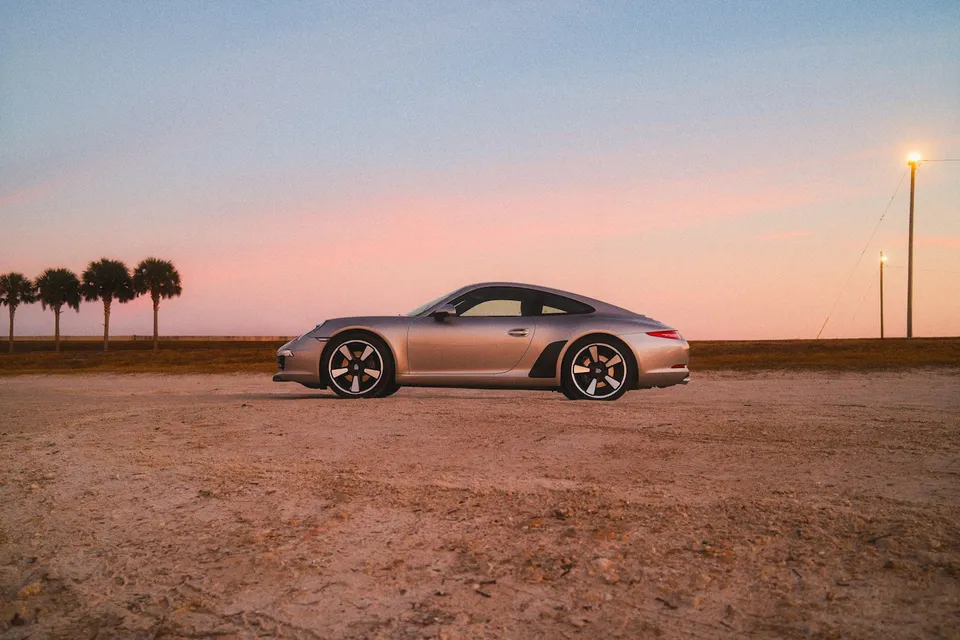
Cut messy sky glare off windshields with circular polarizers, shape clean twilight paint reflections, light dark interiors, and record wind-free exhaust sound.
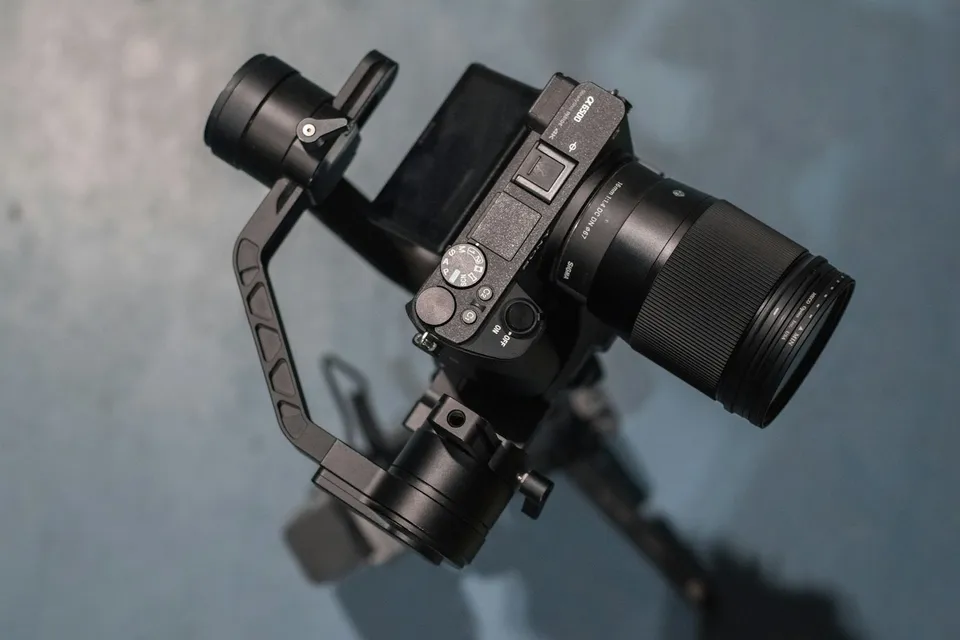
Build hands-on command of cinema camera exposure, balanced three-axis gimbal movement, commercial interview lighting, and purposeful B-roll coverage.