Complementary & Analogous Color Harmony
Design deliberate cyan-amber, cobalt-crimson, or analogous portrait palettes anchored to a locked manual camera white balance.
Apply complementary and analogous color harmony, protect clean skin tones, isolate colored beams with grids and flags, and prevent RGB sensor channel clipping.
Pointing two unmodified RGB or gelled lights straight at a portrait subject washes opposing colors together into muddy grey-brown spill, contaminates facial skin beyond rescue, and blows out individual red or blue sensor channels even while the overall brightness graph looks normal. In this hands-on studio course, we zero out room contamination, pair clean key lighting or controlled split-gel zones with intentional color harmonies, flag and grid every beam so hues stay separated, and monitor RGB histograms to preserve smooth tonal gradations.
Start with a free online intro consultation for this course: we review the syllabus together, clarify how many sessions you need based on your goals and pace, and decide whether continuing Online ($69 CAD/hr) or In-Person ($99 CAD/hr) suits you best.
Need on-location photography for your team, brand, or listing in Toronto & GTA? Explore our Toronto Photography Services, configure a shoot on Book Online, or see recent shoots on @tehranto.plus on Instagram.
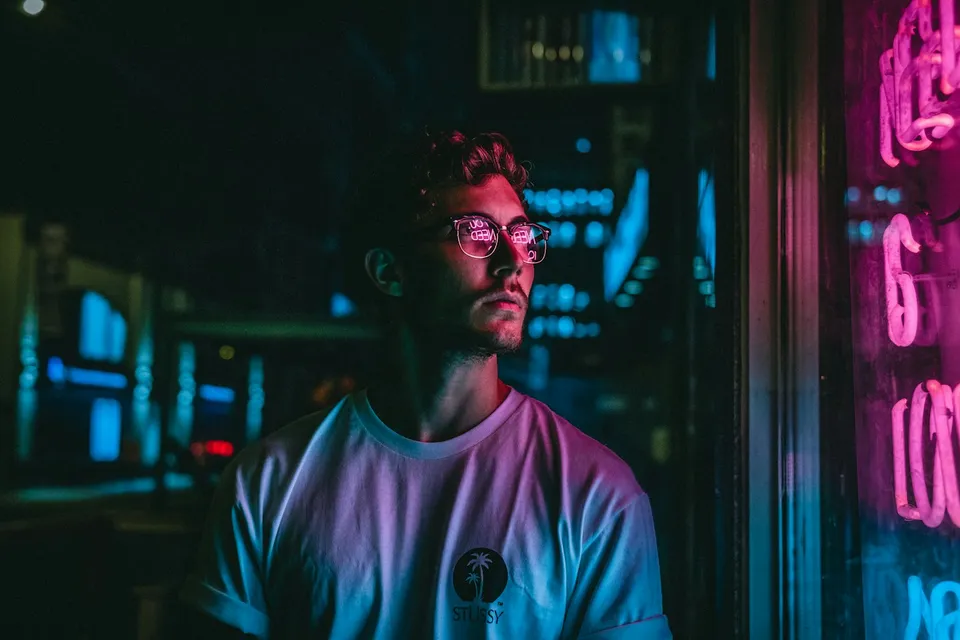
Every learner starts from a different background. These are the core capabilities this course develops, paced to your goals across the sessions we plan together.
Design deliberate cyan-amber, cobalt-crimson, or analogous portrait palettes anchored to a locked manual camera white balance.
Keep believable human skin on the central mask of the face while wrapping saturated colored accents across cheekbones, hair, and backdrop.
Shape each light path with honeycomb grids, snoots, and negative-fill V-flats so opposing colors never mix into neutral mud.
Read individual R, G, and B channel histograms on set and manage RAW-to-sRGB gamut compression without ugly neon posterization.
Below are the main concepts and topics covered in this course. In your Free Online Intro Session, we align the exact depth and number of sessions to your experience and goals.
Building a clean dark-canvas exposure baseline in the studio so ambient daylight or tungsten lamps never dilute gel purity.
Balancing clean neutral or warm-tinted key light against saturated rim and background hues using both strobes and continuous LEDs.
Sculpting sharp color boundaries and deliberate shadow hues on neutral grey backdrops without unwanted room bounce.
Protecting extreme cobalt, crimson, and violet tones from clipping in camera and collapsing into flat bands on social platforms.
Core practical benchmarks and standards covered as part of this course's curriculum.
| Technical Factor | Common Gel Mistake | Studio Control Taught | Visual Result |
|---|---|---|---|
| Ambient & Exposure Density | Shooting in a lit room with overpowered gels that wash pale | Black-frame ambient baseline with controlled `-0.7 EV` gel output | Rich, saturated hues anchored by clean black shadows |
| Skin Tone Protection | Flooding nose, eyes, and lips with bare magenta or green spill | Gridded neutral key light on facial mask with colored edge rims | Natural skin texture framed by bold editorial color accents |
| Beam & Spill Isolation | Two bare colored lights crossing into dull brownish-grey wash | Honeycomb grids, snoots, and black V-flats isolating each zone | Crisp color contrast across cheekbones, shoulders, and backdrop |
| RGB Channel Integrity | Checking only overall brightness while red or blue clips flat | Monitoring separate R/G/B histograms and RAW gamut roll-off | Smooth color transitions with zero neon banding on mobile screens |
Choose a time for your Free Online Intro Session to map out your course path, or book an Online ($69/hr) or In-Person ($99/hr) session directly.
Both systems follow the exact same optical and color-harmony principles. In our Toronto studio, you test both gelled strobes and continuous RGB LED tubes so you can feel the differences in power, spill control, and color rendering, and in your Free Online Intro Session we map how to adapt these setups to whatever lights you plan to use.
Every course begins with a Free Online Introductory Session where we review the core syllabus together, evaluate your current background and goals, and map out how many sessions you actually need and whether continuing Online ($69 CAD/hr) or In-Person ($99 CAD/hr) suits you best. Session count is never a rigid one-size-fits-all number; it adapts to your own level and pace.
Never. There is zero upfront package commitment: once your free online intro session maps out your path, any coaching sessions you choose ($69 CAD/hr online or $99 CAD/hr in-person) are scheduled flexibly session-by-session at your own pace.
Your choice: every session with Iman Adlkhah can be conducted 100% in English, 100% in Persian (Farsi), or naturally bilingual with industry terminology.
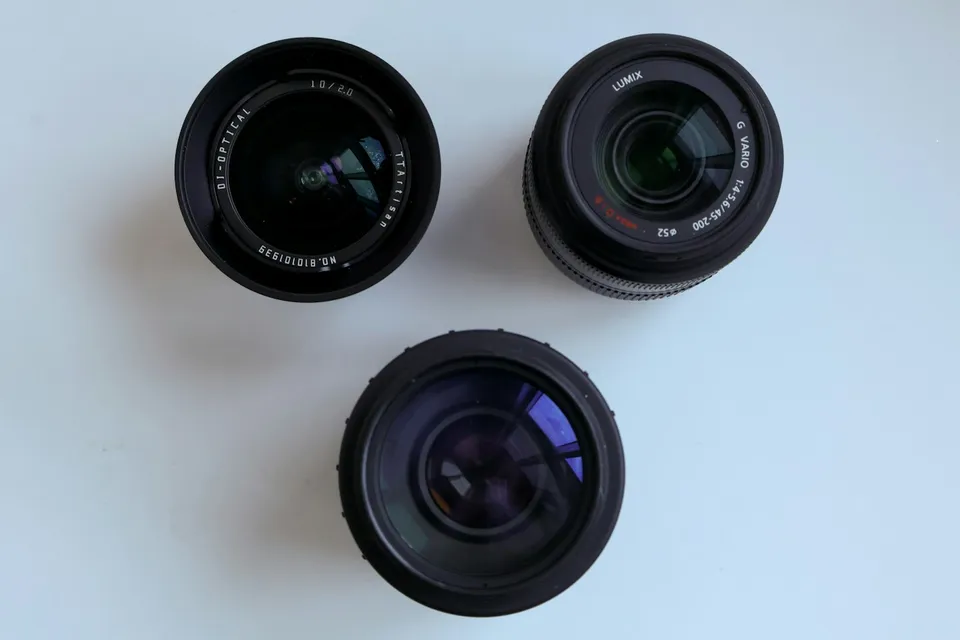
Test all four classic focal lengths side-by-side on the same portrait and interior subjects in studio before investing in expensive glass.
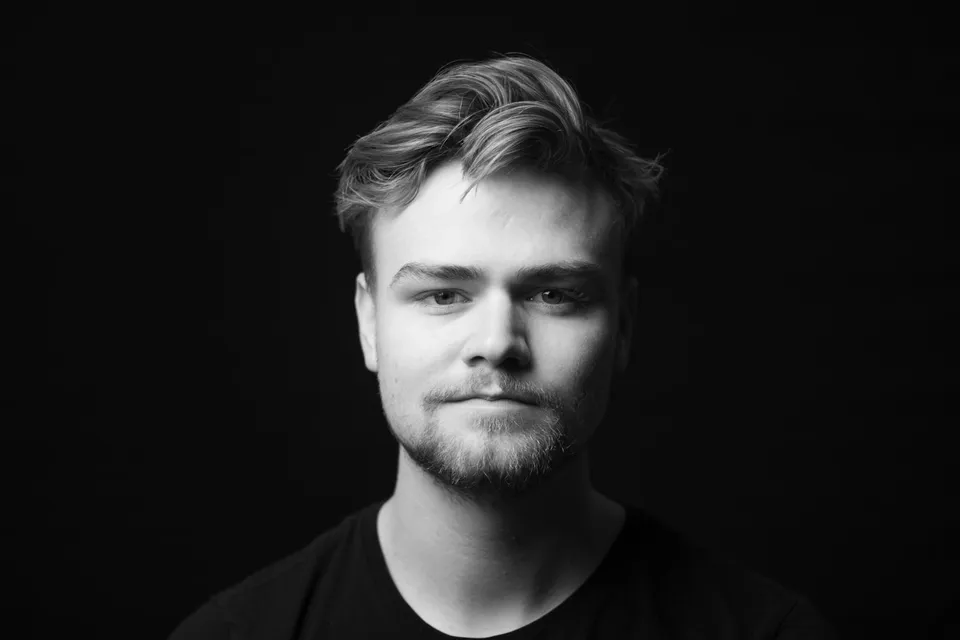
Move far beyond pulling saturation to zero: sculpt deliberate shadow ratios on set and mix tonal channels like a silver-gelatin darkroom print.
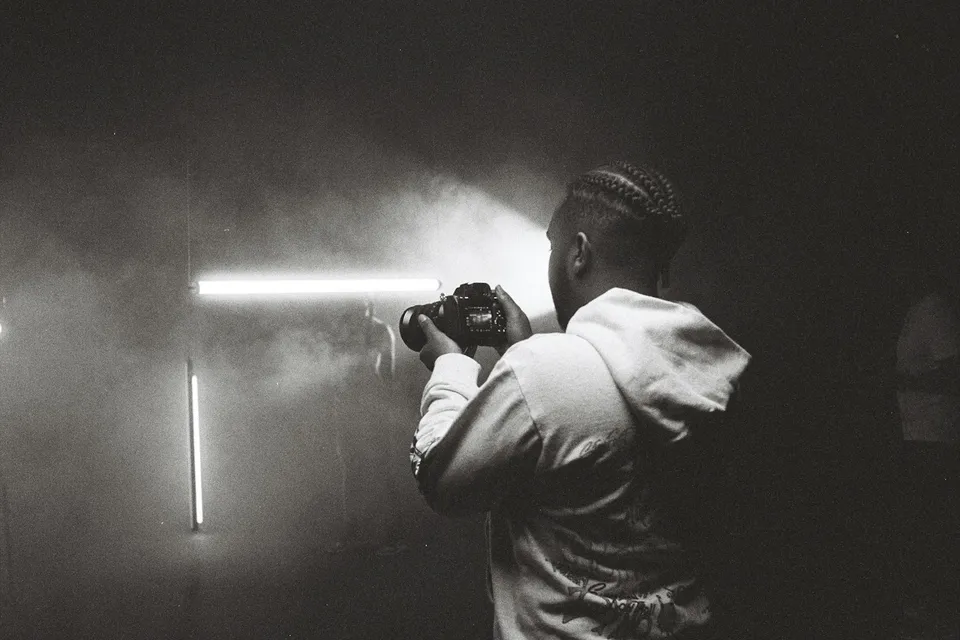
Plan purposeful personal brand imagery built around real website layouts, and execute sharp solo self-portraits using live-view tethering and focus locking.